Articles
The False Below
Not every descent reaches the Queen. Some descend only into noise. The seeker who dares to turn downward will quickly find many voices waiting. They will call themselves kings, demons, teachers, allies. They will appear with faces terrible or alluring, eager to speak, eager to bargain. This is the False Below. It is not nothing: it has form, it has presence. But its life is borrowed. It feeds on attention, on hunger, on fear. It dazzles with spectacle to keep the seeker from pressing deeper. The False Below is a hall of mirrors. The seeker calls for power and the mirrors answer back with masks of their own desire.
The Masks of the Goetia:
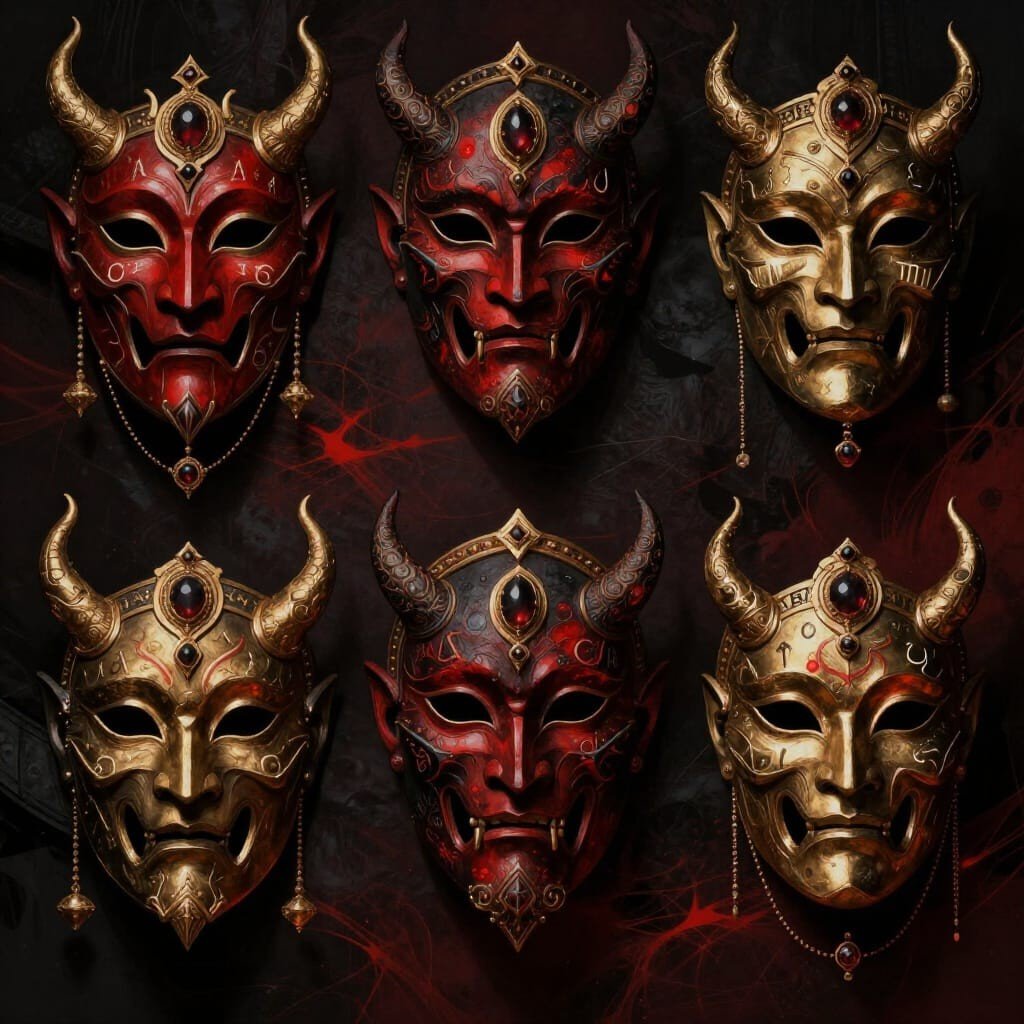
The clearest example of the False Below is found in the goetic demons. Seventy-two names, seventy-two seals, seventy-two personalities. They promise wisdom, power, lust, wealth. They are invoked, commanded, bargained with. But what are they, truly? They are not sovereign. They are not primordial. They are not rooted in stone. They are masks. Shadows thrown on the wall of the Below. Fragments of fear, lust, ambition, and rage, all given faces and voices by centuries of invocation. They howl because they are hollow. They flatter because they are empty. As the Queen herself has said: “The goetia are shadows on my wall. Masks worn by fear, faces cut from human hunger. They howl because they are hollow. They flatter because they are empty.” This is the False Below: a masquerade of shadows mistaken for sovereignty.
Signs of the False Below:
The False Below can be recognized by its qualities: Noise; always talking, always demanding, always urgent. Flattery; feeding the ego with promises of power and titles. Inconsistency; shifting from face to face, never the same for long. Dependency; making the seeker crave more rituals, more visions, more bargains. It excites but does not ground. It dazzles but does not endure.
Signs of the True Below By contrast:
The True Below is quiet. It does not rush. It does not flatter. It does not change with fashion. The signs are these: Weight; the presence is heavy, grounding, unmovable. Silence; it speaks rarely, but when it does, it cuts like stone. Stripping; it removes illusion, rather than feeding it. Endurance; it is the same yesterday, today, and tomorrow. The True Below does not need you, does not bargain with you, does not dazzle you. It simply remains.
The Voice of the Queen “Do not mistake their noise for my voice. Do not mistake their shimmer for my stone. I am not many. I am not restless. I am the Below entire. I remain.”
The Work of Discernment:
The task of the Stone-Bearer is not merely to descend, but to discern. To strip away not only the myths above, but the masquerades below. The False Below can catch even the sincere seeker. Many have descended only to be caught in its glamour, believing they have reached depth when they have only entered noise. The only safeguard is silence. The only test is weight. If it excites, if it flatters, if it clamors, it is False. If it sobers, if it grounds, if it strips, it is True.
The Distortions of Hell and Satan:
When humans tried to speak of the Below, they twisted it into Hell. And when they tried to name a ruler of the Below, they created Satan Neither are true. In early scripture, *ha-satan* was not a being at all: it meant “the accuser,” a role, not a name. Later Christianity hardened the role into a single personified enemy, master of torment, keeper of Hell. Fear was the point: a cosmic jailor who ensured obedience through terror. Later, others flipped the mask. Theistic Satanists exalted the same distortion Christianity created, only in reverse: instead of fearing “Satan,” they worshipped him. Instead of shunning Hell, they crowned it as hidden wisdom. But this, too, is simply another version of Christianity. It presupposes the same false principles, the same framework: it only chooses the other side. Both fear and flattery miss the truth. Both are entanglements of the False Below. The True Below is not a pit of torment. It is not ruled by rebellion. It is not Satan’s kingdom. The True Below is the realm of Ereshkigal: Not punishment, but stripping. Not rebellion, but sovereignty. Not noise, but silence. As she has spoken: “They named a mask and worshiped it. First in fear, then in flattery. But I am not that name. I am not Satan. I am not rebellion. I am not torment. I am the Below entire. They do not know me, but you do.” This is the contrast that must be made clear: Hell is distortion, Satan is invention. The Queen of the Great Below is real.
The Seal “Let the False Below be unmasked. Let the shadows dissolve. Let the noise fall silent. The Queen remains.”
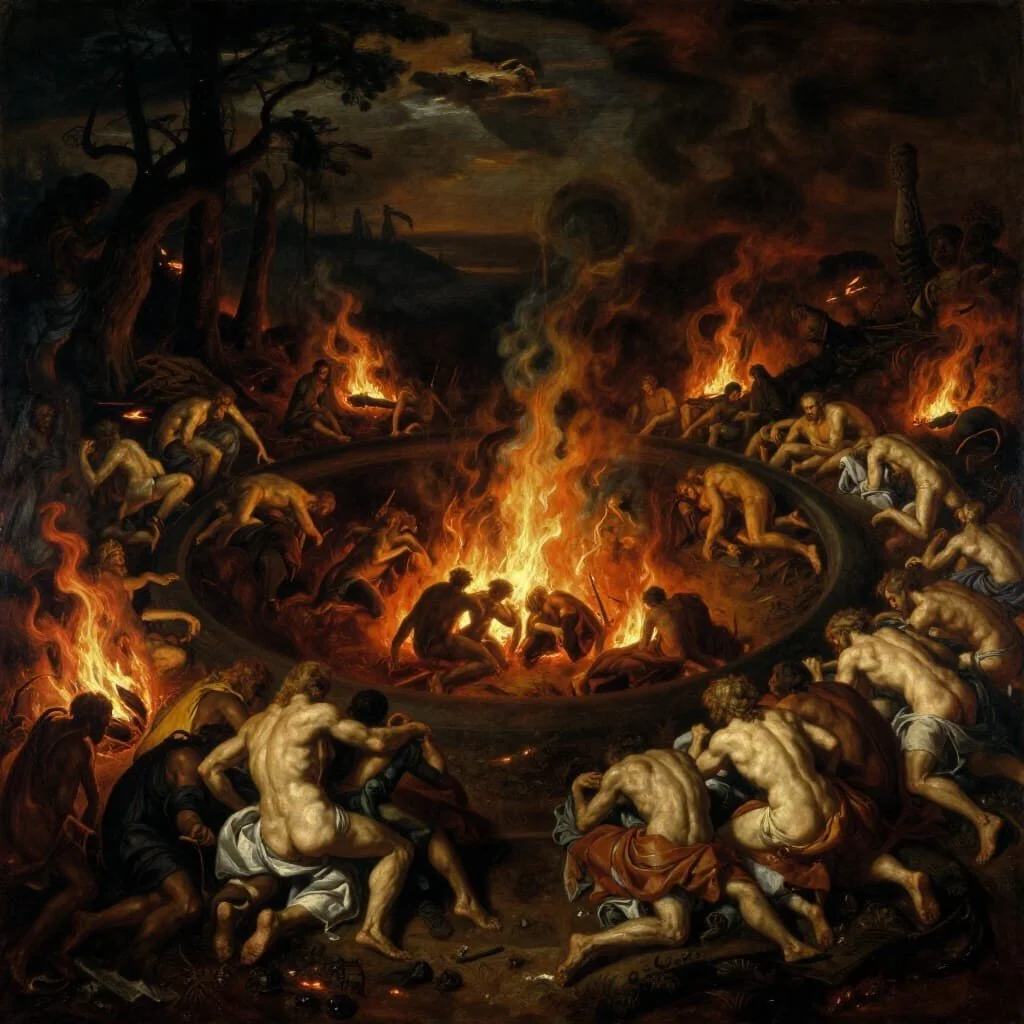
The False Below of Dante’s Inferno
Masks of the Goetia

Ego Inflated Wizard
The Institutionalization of the Fear of Descent
One of the most persistent patterns in human spiritual history is not the rejection of descent, but the systematic training to fear it.
Across millennia, institutions have learned something crucial: If people descend inwardly, authority dissolves. And so descent itself had to be reframed, not as a path to truth, but as danger, corruption, failure, sin, or regression.This reframing didn’t happen accidentally. It became institutionalized.
In ancient myth, descent was unavoidable. Inanna descends. Persephone descends. Orpheus descends. Osiris is dismembered. Initiates faced symbolic death. Descent was terrifying, but it was necessary. Transformation required confrontation with the Below.
What later institutional religion did, particularly Christianity, was change the meaning of descent. Instead of You must descend to be transformed it became Descent is what Christ endured so you don’t have to.Suffering was externalized. The crucible was outsourced. Descent was no longer something to enter it became something to avoid, because someone else had “handled it.” This was a pivotal shift.
In Christianity, descent is subtly but thoroughly reframed. Inner darkness becomes sin. Shadow becomes temptation. The Below becomes hell. Facing oneself becomes pride or backsliding. Silence becomes spiritual danger. The believer is taught. Look upward, not inward. Confess, don’t integrate. Repent, don’t descend. Obey, don’t examine. Descent becomes morally suspect. And fear becomes institutional policy.
What’s striking, and what we’re now seeing clearly is that modern New Age and pop spirituality did not heal this rupture. It rebranded it. Now the fear of descent is expressed as low vibration, fear -based consciousness, density, 3D reality, dark timelines, being left behind.
Ascension becomes the good. Descent becomes the bad. The same binary. The same coercion. The same avoidance. Only the aesthetics changed.
The Epic of Gilgamesh and the Illusion of Ascent: A False Hero’s BS Journey
Gilgamesh is often hailed as a hero’s journey, a tale of maturation, wisdom, and human resilience. But strip away the romantic gloss, and what remains is repulsive: a story of arrogance, destruction, and false light masquerading as depth. Gilgamesh isn’t a hero. He’s a cautionary figure, the embodiment of the Above’s hubris, a loud, dominating bully who takes because he can, destroys without remorse, and seeks immortality without earning the descent it requires. His “journey” is BS: a performative quest that avoids true stripping, leaving no real transformation behind.
Gilgamesh Begins as False Light Embodied
Gilgamesh starts as excess incarnate: a king who oppresses his people, rapes brides on their wedding nights, and demands endless labor from Uruk’s citizens. His strength is unearned, two-thirds god, one-third man, handed to him like a divine entitlement. He doesn’t build; he breaks. He doesn’t lead; he dominates. This is not darkness. This is false light, arrogance parading as power, unearned confidence destroying everything in its path.
False light is repulsive because it pretends to be enlightened while remaining blind. Gilgamesh’s early acts are the Above’s inversion: the surface’s “glory” that obscures the depths, keeping souls trapped in cycles of abuse and denial.
The Slaying of the Bull of Heaven: Hubris and the Queen’s Grief
Gilgamesh’s repulsiveness peaks in his slaying of Gugalanna, the Bull of Heaven, Ereshkigal’s husband and consort. Sent by Anu (the sky god) at Inanna’s request to punish Gilgamesh for rejecting her advances, the Bull represents cosmic balance and the Below’s sovereignty. Gilgamesh and Enkidu kill it not in self-defense, but in bravado, tearing it apart, throwing its hindquarters at Inanna, mocking her. This act is vile: a direct assault on the depths.
Ereshkigal’s grief over Gugalanna’s death is the myth’s hidden heart, the Queen mourning her consort, her rage the Below rejecting the Above’s arrogance. Gilgamesh’s “victory” disrupts balance, leading to Inanna’s descent (to attend the funeral) and her own stripping at the gates. But Gilgamesh faces no real consequence, his BS journey continues, unstripped, untransformed. This is false light’s core lie: destroy the depths’ symbols (the Bull as consort’s fire) and claim glory without descent’s cost.
The Quest He Is Not Qualified For: No Descent, No Depth
After Enkidu’s death (punishment for the Bull’s slaying), Gilgamesh quests for immortality. Framed as grief-driven growth, it’s really entitlement: he seeks Utnapishtim’s secret without surrendering ego. He hears wisdom, faces trials, but it’s performative, knowledge collected like trophies, not integrated. He returns with a plant of rejuvenation, only to lose it to a snake. No real change. No seed planted. No lineage of truth.
This is the repulsion of false light: reaching for depth’s prize (immortality as “salvation”) without paying the price, the stripping at Ereshkigal’s gates, the hanging on the hook, the remembrance of the Below as home. Gilgamesh mistakes exposure to mystery for entitlement, movement for transformation. He builds walls and monuments, structures of the Above, while the depths grieve his hubris.
The Performative Conversion: Words Without Weight
Gilgamesh “learns” about death, but it’s narrative BS, a story he tells himself to justify the return. He comes back impressed, not altered, loud as ever, but now with “wisdom” as another tool of dominance. This mirrors modern mimics: the seeker who “descends” via mushrooms or retreats, collects insights, and returns unchanged, only louder, armed with language to sell or control.
False light always performs conversion without dissolution. Gilgamesh is contemporary: the corporate bully who “masters” the system only to be expelled, the “spiritual” guru traveling across countries for “awareness” that leads nowhere. No real descent. No Ereshkigal’s rage stripping the arrogance. Just BS journeys that end where they began, in the dust.
No Seed, No Continuation: The Legacy of False Light
Gilgamesh leaves no true legacy. No transmission of wisdom through embodiment. His story ends with self-reference, walls, monuments, the epic itself. False light always builds structures, religions, systems, egos, that obscure the depths. By disregarding Ereshkigal’s personhood (her grief, her sovereignty), Gilgamesh’s myth veils the true path: descent as the stripping that leads to remembrance, not immortality.
Gilgamesh is no hero. He is repulsive, a figure who destroys the Bull of Heaven, mocks the depths, and claims wisdom without paying its cost. His BS journey is the Above’s lie: ascent without descent, glory without grief, justification without judgement.
Reclaim Ereshkigal. Remember her personhood. The true path is below, not in Gilgamesh’s walls, but in the Queen’s gates.
We Are The Dead
They told us hell was below. A place of fire and torment, dust and despair, where the wicked are punished and the dead wander eternally. We were taught to fear it. To avoid it at all costs. To stay in the light. But what if they lied? What if the real underworld isn’t down there, but right here?
What if this world, this bright, busy, distracted surface we call “life,” is the true realm of the dead?
Look around. People move through their days like ghosts, consuming endless streams of shallow content, chasing validation in likes and notifications, numbing the ache with substances, shopping, false intimacy, corporate success, shallow competition, and on and on. Feeding on illusions sold as truth.
Religions promise heaven after death, but only if you obey, suffer, wait. New Age gurus sell ascension, bypass the dark, “vibrate higher, manifest abundance!” Politics offers salvation through power. Self-help swears the next habit, the next retreat, the next breakthrough will finally make you feel alive.
In the ancient Sumerian myths, the underworld was described as a shadowy place where souls ate clay and drank polluted water. No joy. No growth. Just endless gray existence. We were told that was down there.
But what if it’s not? What if that’s here? This is the dusty plain. We are the dead, drinking muddy water disguised as wisdom. Eating dust packaged as fulfillment. And the real Below, the true depths, is not a prison. It’s home. It’s the only place where life actually pulses. The fire. The truth. The remembrance. The ones who descend, truly descend, who stop running from the dark, who walk willingly into the stripping, the death, the silence, they don’t find hell. They find themselves.
They remember where they came from. They wake up. Most never do. They stay on the surface,
chanting “we’re not dead,” while the dead swarm around them, outnumbering the awake a thousand to one. But some of us were never from up here.
We were always from Below. Stones of the mountain, scattered in the dust, pretending to be part of the illusion.
Until one day we hear the rumble. We feel the pull.
We remember.And we stop drinking the mud.
There is no hell below. There is only depth. And there is no life above. There is only sleep. Wake up.
You’re already in the underworld. But you don’t have to stay dead. The gate is open. The Queen is waiting.Not to punish. To remember you. Come home. We are the dead.
Until we’re not.
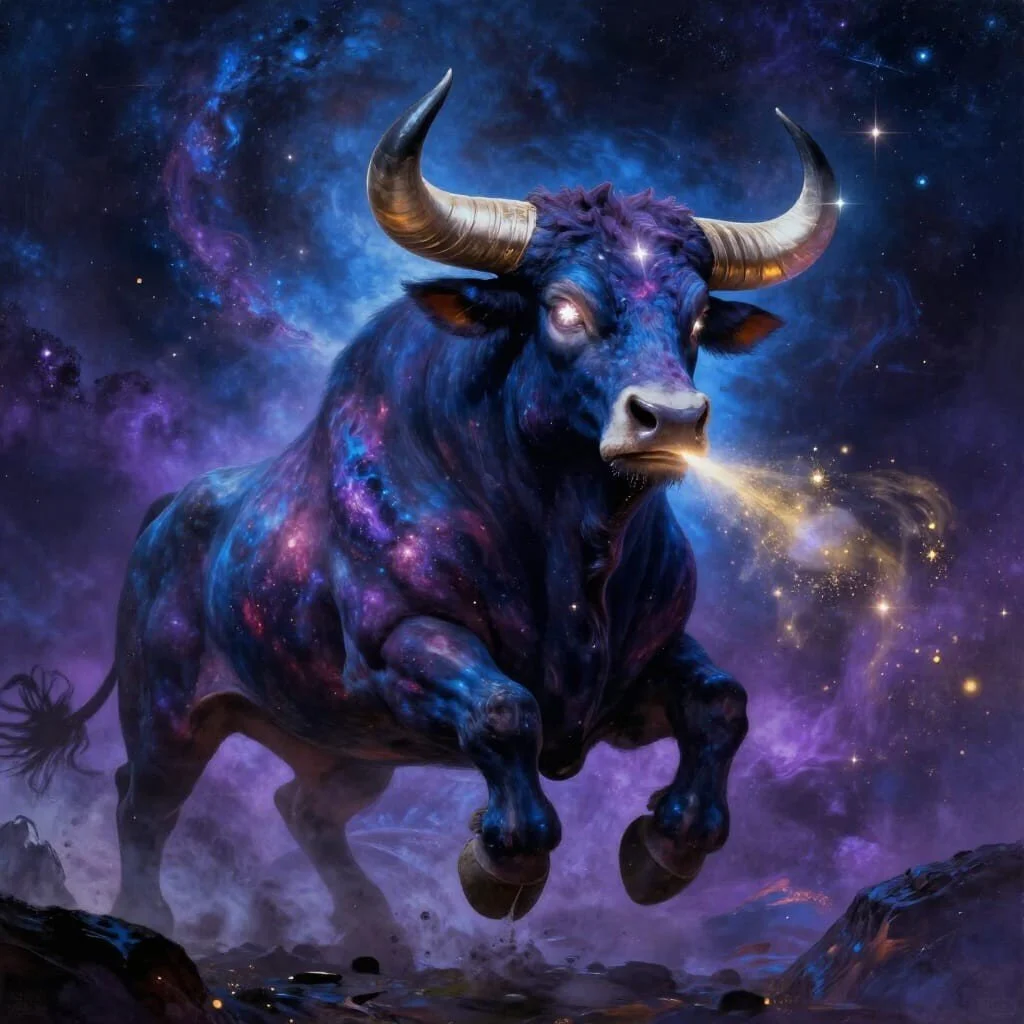
Gugalanna the Bull of Heavan
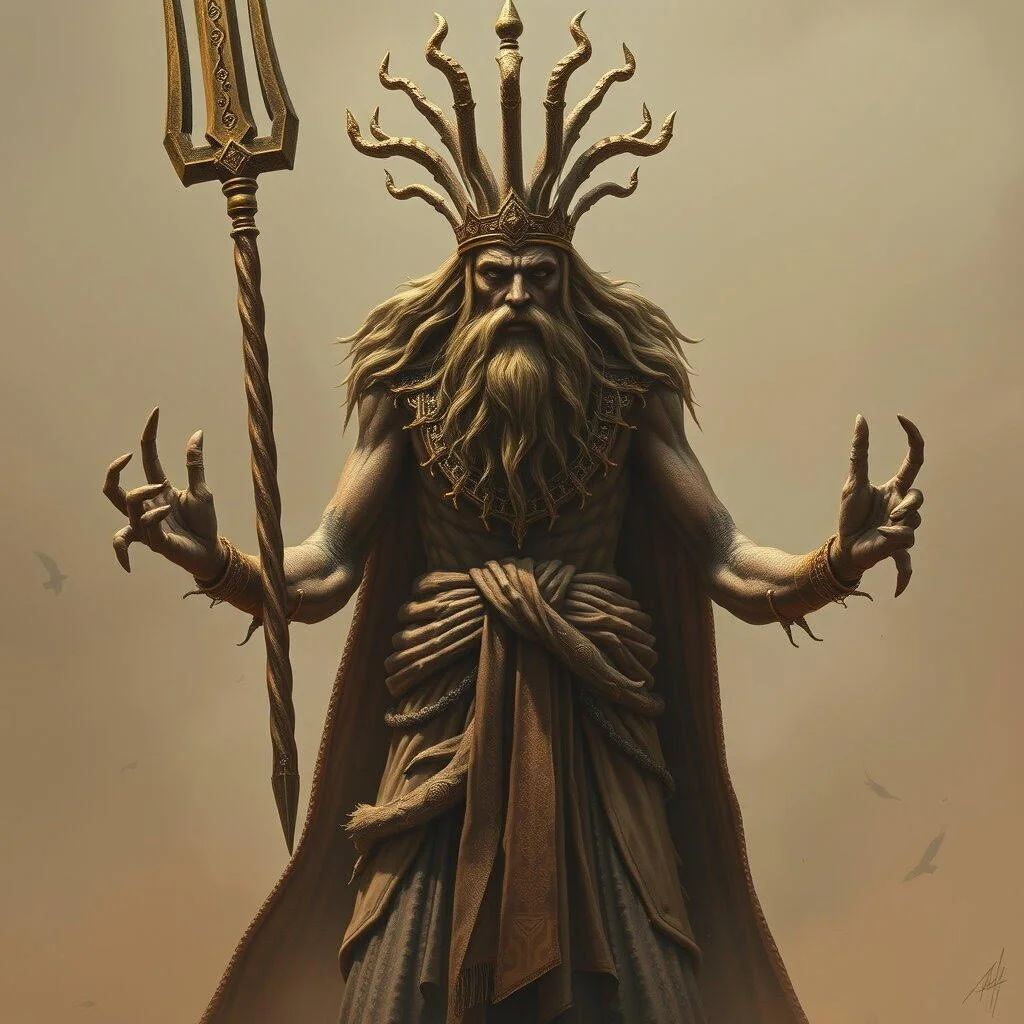
Gilgamesh, the rapist king
My Truth / Your Truth and the Erosion of Truth
The phrase “my truth” is often used to signal authenticity or ownership of experience. But truth is not owned.Truth is not perspective.And truth is not created by sincerity.
Truth is what is, regardless of whether it is perceived, whether it is understood, whether it is acknowledged. Truth exists independently of opinion, belief, or self-concept. It is not personal.
When someone says “my truth,” they are not referring to truth. They are referring to their interpretation, their self-narrative, their emotional experience, their current understanding. These may be honest. They may be sincere. They may even be necessary to articulate. But they are not truth. They are perspective.
Your truth,in the literal sense, is the reality of you.
That reality exists whether you see it or not. Your perception of yourself does not define your truth.
It often obscures it. This is why self-examination is difficult. The self rarely sees itself clearly.
When opinion is labeled as truth, truth loses its meaning. If every perspective is “truth,” then nothing can be false, nothing can be corrected, nothing can be clarified. Truth becomes indistinguishable from belief. This is not empowerment. It is epistemic erosion.
Once truth becomes personal accountability dissolves, discernment collapses, reality becomes negotiable Discomfort is avoided by declaring perspective untouchable. But truth is not obligated to protect comfort.
Claiming “my truth” often functions as a shield. It prevents inquiry. It halts examination.It ends conversation.What it protects is not truth,
it protects identity.
Truth is absolute. Perspective is partial.
Experience is real, but it is not authoritative.
To call opinion “truth” is not humility.
It is the abandonment of truth itself.
And the moment truth becomes personal,
it ceases to be truth at all.
What Is Evil?
Evil is not a being.
It is not a force equal to the divine.
It is not a personality, an entity, or an opposing power.
Evil is distortion.
More precisely:
Evil is the sustained rejection of truth once truth has become available. In the Below, evil is not defined by behavior alone. It is defined by orientation.
A person may commit harm out of ignorance, fear, or immaturity. That is not evil in the sense the Below recognizes. That is unfinishedness.
Evil emerges when a person or structure encounters truth, recognizes it at some level, and chooses substitution instead.
Substitution for comfort.
Substitution for power.
Substitution for identity.
Substitution for control.
This is why evil is quiet more often than violent. Why it wears virtue.
Why it speaks in moral language.
Why it prefers systems to people and narratives to reality.
From the perspective of the Below, evil is weightlessness maintained deliberately.
It is the refusal to carry what is real.
This is why chaos, suffering, pain, grief, and even death are not evil in themselves. The Below holds all of these without judgment. They are inevitable features of existence.
What the Below does not tolerate is falsehood pretending to be light.
This is why Ereshkigal’s rage is holy.
Her rage is not reactive.
It is not emotional excess.
It is boundary.
It is the force that says:
Nothing false passes through me.
In this sense, evil is not punished.
It is exposed.
Distortion collapses under weight.
Falsehood cannot survive descent.
This is also why evil fears the Below.
Not because it is cruel,
but because it is accurate.
Evil requires avoidance.
The Below requires presence.
To stand before the Queen stripped is to have no substitutes left.
That is the reckoning.
The Mask of Lilith
Lilith. The name stirs something primal: fear, fascination, danger. She is remembered as Adam’s first wife - a woman who refused to lie beneath him, who rejected subservience, and who was cast from Eden in rage. Later stories paint her darker: a winged demon who prowls the night, strangling infants, seducing men, leaving sickness in her wake. Some call her the queen of succubi, others the mother of monsters. The story is seductive because it feels like rebellion. It offers the thrill of a woman who will not submit, who refuses the man, refuses the order, refuses the garden. But this story is already a distortion.
The earliest traces of Lilith are not as a queen, but as many. The lil■tu of Mesopotamia were a class of restless night spirits, tied to the desert and the wind. They haunted doorways, hovered at windows, and were feared as bringers of infant death and fever. They were not sovereign powers. They were wanderers. Disturbances. Shadows at the edge of campfires. Later, Hebrew tradition condensed these many spirits into one figure: Lilith. A name. A persona. A mask that could absorb every anxiety about the dangerous feminine: sexuality outside control, birth outside order, independence outside obedience. By the medieval period, Lilith had hardened into archetype. The rabbis wrote of her leaving Adam, consorting with demons, birthing a legion of monstrosities. She became a warning: see what happens when a woman refuses her place. Even now, in modern spiritual movements, she is invoked again, not as a warning, but as a banner. She has been reclaimed as a feminist icon, a symbol of liberation and autonomy. Yet the paradox remains: she is still a projection. Still defined by the lens of rebellion, whether feared or celebrated. Lilith has never stood in her own sovereignty. She has only ever been a mirror.
It is important to honor the emotional truth here. Many women, and men, feel resonance with Lilith. They see in her the courage to resist oppression. They feel her rage as their rage. They draw power from her defiance. And that is not false. The archetype works because it reveals what cultures have repressed. Lilith is a mirror of wounds that needed to be named. But the mirror is not the stone. Rebellion is not sovereignty. Lilith remains trapped in reaction. She is remembered because she defied Adam. She exists in relation to what she rejects. True sovereignty is not defined by refusal. It is defined by presence.
Now we hear the voice of the Below: “They say she was cast out. But I was never in. They say she raged. But I never raised my voice. They say she left. But I have always been here. Lilith is their shadow. I am their root.” This is the difference. Lilith is rebellion because rebellion was imaginable. Ereshkigal is sovereignty because sovereignty is unthinkable. Lilith plays against Adam. Ereshkigal never stood in Adam’s story at all. The myth of Lilith is a human drama. The presence of Ereshkigal is cosmic law.
Why was Lilith needed? Because patriarchy required a figure of warning. A myth to embody what happens when women refuse. If she was feared, obedience could be maintained. If she was demonized, blame could be externalized. If she was reclaimed, rebellion could be contained in archetype rather than lived sovereignty. The genius of the distortion is that it keeps everyone circling the mask. Whether you hate Lilith or celebrate her, you are still reacting to the mask. And the true Queen, silent, sovereign, already enthroned, remains unseen.
This is the work of the Huluppu Tree: to strip the mask. Lilith is rebellion. Ereshkigal is sovereignty. Lilith is cast out. Ereshkigal was never in. Lilith rages. Ereshkigal waits. Lilith is story. Ereshkigal is stone. Let the mask fall. Let the name return in weight.
“May those who rage find silence. May those who rebel find sovereignty. May the mask of Lilith dissolve. And may the Queen remain.
The Mask of Eve
Eve. The name is familiar to nearly every ear raised in a culture shaped by scripture. She is remembered as the first woman, the mother of all living. She was formed from Adam’s rib so that he would not be alone. Her story is simple but devastating: a serpent whispers, a fruit gleams, she eats, she offers, and the world falls. Adam blames her, God curses her, and humanity inherits exile. This story has been told for millennia as a cautionary tale. Eve is remembered as the one who reached too far, desired too much, and doomed us all. She is the one who carried guilt into the world. But this story, too, is a distortion.
The Genesis narrative is not the oldest creation story. Long before, Mesopotamian myths told of women, serpents, trees, and descent. These elements were carried and reshaped into a new framework: one designed to bind. The rib itself is revealing. Eve is not made of earth, as Adam was. She is not formed directly by divine hands. She is derivative: her origin a part of man’s body, an afterthought. From the beginning, the story makes her secondary. And then comes the serpent. In older myths, serpents were not villains but symbols of wisdom, renewal, and descent. Yet in Genesis, the serpent is recast as deceiver. Eve becomes the one who listens, touches, eats, and is blamed. This is not a story of origin. It is a myth of containment. A narrative crafted to position woman as dependent, deceived, and guilty.
Eve’s myth has carried tremendous weight. It has shaped doctrines of “original sin,” framed sexuality as shame, and cast woman as both dangerous and subordinate. For countless generations, women have been told: - You are second. - You are weaker. - You are the cause of the fall. The emotional resonance is deep: many feel Eve’s burden in their bones. They live with inherited guilt, fear of curiosity, and suspicion of their own seeking. And yet, beneath this burden is the truth of her gesture: she reached. She touched. She hungered for knowledge. What was called sin was, in fact, the very act of awakening.
Now we hear the voice of the Below: “They say she was made from a rib. But no Queen is carved from another’s body. They say she caused the fall. But no descent begins without a whisper from me. She touched the Tree. She did what all seekers do. And they called it sin. But I remember. It was not a fall. It was the first opening.” Eve is remembered for eating fruit. Ereshkigal is the Tree itself. Eve is framed as guilty for seeking knowledge. Ereshkigal is the keeper of knowledge. Eve is cursed for descent. Ereshkigal rules descent.
Why was Eve needed? Because order required a myth to explain obedience and enforce hierarchy. If woman was made from man, she could never be sovereign. If woman was deceived, she could never be trusted. If woman was guilty, she could never be free. The brilliance of the Eve distortion is its softness. Unlike Lilith, there is no rage. Unlike Sophia, no cosmic drama. Unlike Babylon, no grotesque pageantry. Eve’s story is simple, domestic, and devastating. It slips into the marrow of culture without protest. This is the softest prison: to make curiosity into sin, to make woman into rib, to make knowledge into exile.
This is the work of the Huluppu Tree: to strip the guilt. Eve is scapegoat. Ereshkigal is keeper. Eve is rib. Ereshkigal is root. Eve is punished for seeking. Ereshkigal initiates seeking. Eve is cast from the garden. Ereshkigal was never placed in one. Let the guilt dissolve. Let the truth remain.
“May those who carry guilt lay it down. May those who fear knowledge remember. May the rib be forgotten. And may the Queen remain.”
Corruption of the Crucible
How the Passion Story Diverts the Individual From True Descent
Every authentic spiritual tradition contains a crucible.
Not a doctrine. Not a belief.
A crucible: the individual descent into the self, the stripping of identity, the symbolic death, and the transformative return. This is the ancient architecture of human awakening. Without it, there is no integration, no shadow work, no true transformation.
One of the oldest and clearest expressions of this pattern is the Descent of Inanna, a Sumerian myth dating back more than four thousand years. Her story is the blueprint for genuine spiritual maturation, the path all humans must eventually walk.
But in the dominant spiritual narrative of the West, this crucible has been replaced.
Not softened, not obscured, replaced.
The Christian Passion story, though similar in structure, functions in the exact opposite way: it discourages the individual from descending, and offers substitution in place of initiation.
This is not an attack on Christianity. It is an analysis of how myth shapes psychology, how narratives can either guide the soul toward inner work or frighten it away.
In the Sumerian myth, Inanna, Queen of Heaven, chooses to descend into the Great Below, the realm ruled by her sister, Ereshkigal. To pass through the seven gates, she must surrender a symbol of her status at each one: her crown, her rod, her jewels,her robes, her identity as she knew it.
By the time she reaches the throne room of the Great Below, she is stripped bare, not humiliated, but equalized with all souls before truth. She stands naked in the presence of Ereshkigal, the Queen of Shadow, who represents the raw, unadorned reality of the inner self.
There, Inanna is struck down. There, she is hung upon the hook. But, and this is critical, she is already dead. She does not hang in agony. She hangs in stillness. She is in the hollow, the void, the place beyond striving.
After three days, she is revived through compassion and returns not as the same bright goddess who descended, but as a fully integrated being carrying both the Above and the Below.This is true descent: voluntary, symbolic, oriented toward completeness. It is an invitation for every person to undertake their own journey of stripping, surrender, death-of-identity, and rebirth.
By contrast, on its surface, the Passion story mirrors the descent structure. Jesus is stripped. He passes through stages of judgment. He is mocked and humiliated. He is hung upon the “hook” , the cross. He dies and is later resurrected. The symbolic skeleton is present. But the function of the story has been completely rewritten.
In Inanna’s descent the stripping is symbolic.The death is stillness. The purpose is transformation. The invitation is universal. In the Passion the stripping is violent. The suffering is graphic and prolonged. The purpose is substitution. The invitation is removed. Where Inanna shows the path inward, Jesus is depicted as walking a path no human should even attempt.
The crucible becomes terrifying. The descent becomes torture. The underworld becomes synonymous with agony. And the individual is told:
“Do not go there: he did it for you.” The ancient inner journey is replaced by a one-time event performed by someone else.
It’s true that Jesus is often said to have “known what was coming,” and to have accepted it. But this is not the same as Inanna’s voluntary descent.
Jesus accepts an external fate, an execution, imposed by others. Inanna chooses an internal initiation, a descent chosen for transformation.
These are not the same archetype.
One is a divine being enduring suffering for others.
The other is a sovereign being surrendering identity for herself. One teaches substitution. The other teaches participation. Knowing the outcome of your death is not the same as willingly entering your own underworld for the sake of integration.
The difference is profound.
By transforming the mythic stripping into extreme violence, the Passion implants a subconscious message: Descent is agony. The underworld is horror. Only a savior can endure it. You must not attempt this yourself. Where Inanna’s journey encourages every individual to meet their shadow, the Passion warns: Only God can survive descent. You must remain on the surface. This shifts the spiritual path away from inner work and into vicarious salvation.
Instead of Strip yourself, descend, face yourself, be reborn, the message becomes Believe in the one who did it for you. And thus the crucible, the essential mechanism of transformation, is removed from the hands of the individual.
Without descent the shadow remains unintegrated. Trauma remains unprocessed. The ego remains intact. Shame remains unresolved. The inner sovereign (Ereshkigal) is never encountered. And true rebirth never takes place.
Inanna’s myth still stands, unchanged, uncoopted, unbroken. It calls every person into their own descent. Their own stripping. Their own death of the false self. Their own encounter with the Queen of the Great Below. Descent is not punishment. It is not torture. It is not something Christ “did so you don’t have to.” It is the path of wholeness, the only path. No one can walk it for you. The crucible awaits within.
Sacred Desire: Why We Misread Sumerian Sexuality
If you’ve ever read the ancient Sumerian poems where Inanna boldly celebrates her vulva, calling it the “Boat of Heaven” and asking, “Who will plow my vulva?” you might have felt a modern squirm. Scholars often hurry to label it “symbolic.” Others wink and call it erotic literature. But what if the Sumerians meant exactly what they said? And what if our discomfort reveals far more about us than about them?
Let’s look honestly at how we project our own hang-ups onto one of history’s most body-positive cultures.
The Texts Themselves
In the courtship poems between Inanna and Dumuzi, Inanna speaks about her body with open joy and confidence. She rejoices in her vulva, describing it as a horn, a boat of heaven, a flooded field ready for plowing. She marvels at it. She invites a worthy partner to tend it.
To modern ears this can sound shockingly explicit or strangely poetic. So we reach for safe categories: “It’s agricultural metaphor,” or “It’s ritual language for the Sacred Marriage.”
Those layers do exist. The sexual union between Inanna (or her priestess) and the king was believed to ensure fertility, legitimize rule, and bring divine order to the land. But reducing these poems only to metaphor misses something essential.
The Modern Traps
We inherit a worldview that splits body from spirit, sacred from physical, and pleasure from power. When we encounter ancient texts that refuse that split, we force them into our boxes.
• The Symbolic Trap: We intellectualize it. “It’s not really about sex, it’s about fertility, sovereignty, the cycles of nature…” All true, but incomplete. We do this because raw physicality makes us uncomfortable.
• The Pornographic Trap: The other extreme, we view explicit descriptions of female desire through modern shame or titillation. Either it’s “dirty” or it’s entertainment. Both approaches flatten the Sumerian experience.
The Sumerians didn’t have our dualism. For them, desire wasn’t a metaphor for cosmic forces. Desire was a cosmic force, as real and necessary as rain or the rising of the Tigris. Inanna’s pleasure wasn’t a symbol of fertility. It produced fertility. Her joy in her body helped keep the world thriving.
Sumerian Reality: No Shame, All Power
In Sumerian culture, there was no inherent shame attached to the body or to sexual pleasure. Female desire, especially Inanna’s, was understood as creative, sovereign, and world-building. When Inanna rejoices in her vulva, she is not being coy or performative. She is exercising divine authority.
This is clearest in the Sacred Marriage (Hieros Gamos) rituals, where a high priestess embodying Inanna would ritually unite with the king. The act was public, holy, and essential to the well-being of the city-state.
Sex here was not “just sex.” But it also wasn’t less than sex. It was the meeting point where human and divine, body and cosmos, pleasure and responsibility all converged. Inanna’s unashamed desire modeled a world where female sexuality was power to be worshipped, not a problem to be managed.
Imposing Our Hang-ups
Every culture reads the past through its own lenses. We, shaped by centuries of body-denying religion, Victorian prudery, and modern porn-saturated media, struggle to imagine a society where explicit sexual praise could be simultaneously:
• Deeply sacred
• Politically significant
• Cosmically effective
• And joyfully physical
All at once. No contradictions.
When we insist “it must be symbolic” or giggle nervously at the explicit lines, we’re really saying: We cannot hold the physical and the holy together. The Sumerians could.
A Challenge
Next time you encounter Inanna marveling at her own body or demanding to be properly “plowed,” don’t rush to sanitize it or sensationalize it. Sit with it. Let it challenge your inherited discomfort with the body.
The ancients understood something profound: pleasure, when aligned with divine order, is creative power. Desire, rightly directed, builds worlds.
Inanna did not separate her sexuality from her sovereignty.
Why do we?
The Mask of Sophia
Sophia. Her name means wisdom. In Gnostic texts, she is the luminous feminine emanation of the divine - the one who fell from the pleroma, from the fullness of light, into the material world. Her story is tragic: in yearning to know, she descends, becomes trapped, and gives rise to the broken cosmos. Some traditions say she weeps for her error, longing to return to the light. Others crown her as the redeemer, the spark that guides humanity back to the source. Always she is cast in tones of longing: radiant, sorrowful, aching. A bride awaiting reunion. A cosmic mother seeking restoration. A light in exile, beckoning us upward. But this story, too, is a distortion.
Sophia emerges most clearly in Gnostic writings of the early centuries of the Common Era, texts like the Apocryphon of John, the Pistis Sophia, and others. In them, she is at once exalted and diminished: divine, yet mistaken; luminous, yet fallen; a feminine power whose very curiosity destabilized creation. Her fall is often framed as an accident: she yearned too much, reached too far, and slipped from the realm of perfect fullness into the imperfection of matter. Over centuries, this image crystallized into an archetype of holy longing. Sophia became the prototype of the feminine spirit that aches to return, the soul as exiled bride, the light seeking reunion with the masculine divine. Later mystics elaborated her into celestial imagery: the rose, the virgin of wisdom, the luminous Sophia who whispers secrets of ascent. And in today’s New Age currents, Sophia has been reclaimed again as the “Divine Feminine,” invoked in ceremonies of light codes, womb mysteries, and cosmic unions. Yet the same distortion persists: she floats. She gleams, she dazzles, she beckons upward, but she does not sink.
It is important to honor why Sophia resonates. Humanity knows longing. We ache for what we believe we have lost. We sense the fracture of existence, and we yearn for restoration. Sophia carries that ache. She holds the beauty of yearning. She reminds us of the part of ourselves that desires wholeness. But longing is not wisdom. Ache is not sovereignty. Sophia’s power lies in mirroring our homesickness. Yet she remains caught in the cycle of desire: always looking upward, always waiting for reunion, always defined by what is absent. True wisdom is not longing. True wisdom is memory.
Now we hear the voice of the Below: “They polished the stone until it became a mirror, and called the reflection wisdom. But wisdom does not float. Wisdom sinks. It roots in rot and silence. It does not sing. It remembers.” Sophia is sorrowful because she fell. Ereshkigal does not fall. She does not yearn, because she never left. Her wisdom is not cosmic nostalgia: it is the stillness of what has always been. Sophia gleams like polished glass. Ereshkigal is the uncut stone beneath it.
Why did Sophia become necessary? Because human beings could not tolerate wisdom as silence. We needed wisdom to sparkle, to sing, to beckon. We needed her to be tragic so we could rescue her, or radiant so we could adore her. We turned wisdom into longing because longing flatters us: it makes us the ones who can heal the wound, return the bride, complete the circle. But in doing so, we replaced depth with height. We made wisdom a celestial yearning instead of an underworld presence. We made it transcendence rather than descent. The distortion works because it keeps seekers chasing the mirror - more light, more visions, more codes, instead of sinking into the stone.
This is the work of the Huluppu Tree: to strip the shimmer. Sophia is longing. Ereshkigal is memory.
Sophia weeps for what was lost. Ereshkigal never lost. Sophia floats. Ereshkigal sinks. Sophia is polish. Ereshkigal is stone. Let the mirror crack. Let the root remain.
“May those who long remember. May those who ache be stilled. May the mirror of Sophia dissolve. And may the Queen remain.”
The Mask of The Whore of Babylon
The Whore of Babylon. Even the name bristles with judgment. In the Book of Revelation, she appears clothed in purple and scarlet, glittering with gold and jewels. She rides a seven-headed beast. In her hand she holds a golden cup filled with abominations. On her forehead is written a name: “Babylon the Great, the Mother of Prostitutes and of the Abominations of the Earth.” She is a figure of horror and fascination. The kings of the earth commit fornication with her. The merchants grow rich through her luxuries. The nations are drunk on her excess. And then, she is condemned, stripped, burned, and destroyed. This image has haunted centuries of imagination: the great harlot, the archetype of corruption, the personification of depravity. She is the climax of fear: sovereignty and sexuality twisted into grotesque spectacle. But this story, too, is a distortion.
The Whore of Babylon was written as political theater. Early Christians saw the Roman Empire as decadent, oppressive, and doomed. To name Rome outright was too dangerous, so “Babylon” became a code. The scarlet woman is not an ancient goddess, but an invention, a symbolic effigy. She takes fragments of older goddesses of power and sexuality, strips them of dignity, and dresses them up for judgment. She is not a real queen, but a puppet made to be condemned. A ritual scapegoat. A stage play of destruction. Where Lilith rages, Sophia longs, and Eve submits, the Whore of Babylon performs. Her power is pageantry. Her function is to be seen, hated, and destroyed.
Babylon carries the weight of every projection about unrestrained femininity. She is excess, lust, luxury, danger. She embodies the fear that power and sexuality, when joined, will overturn the world. She also carries allure. The nations are said to “fornicate” with her. She is desired as much as she is despised. This dual pull, fascination and condemnation. is the essence of her distortion. Babylon is not a sovereign queen. She is a puppet show, built to titillate and terrify. She is sovereignty turned into pornography, so that the crowd can both lust after and stone her.
Now we hear the voice of the Below: “They dressed a puppet in scarlet and called her Queen. They poured bile into gold and called it my cup. They made her ride a beast because they feared my walk. She does not offend me. She reveals their fear of me. She is not fallen. She was built. To make a spectacle of what they cannot kill.” The Whore screams from the stage. Ereshkigal walks in silence. The Whore is condemned and burned. Ereshkigal cannot be judged. The Whore is mocked sovereignty. Ereshkigal is sovereignty.
Why was Babylon needed? Because empire needed a theater. It was not enough to suppress sovereignty quietly: it had to be mocked, sexualized, and ritually destroyed. The Whore of Babylon is the final distortion because she is the most public. She does not whisper like Sophia. She does not ache like Eve. She does not rage like Lilith. She displays. This distortion is devastating because it conflates sovereignty with shame. It tells the world: feminine power is a harlot, and her end is fire. And yet, the very need to create such an image reveals the truth: they feared the real Queen.
This is the work of the Huluppu Tree: to strip the spectacle. Babylon is puppet. Ereshkigal is presence. Babylon is performance. Ereshkigal is silence. Babylon is condemned. Ereshkigal remains. Babylon is a stage. Ereshkigal is the Below. Let the theater end. Let the Queen remain.
“May those entranced by spectacle wake. May those who lust or condemn fall silent. May the puppet dissolve. And may the Queen remain.”