This website is dedicated to Ereshkigal, Queen of the Great Below. This is a digital temple, not of worship and devotion, as the Queen does not need nor desire either, but of rememberance and declaration. This website is written and ,maintained by Patrick Michael Roy and is updated frequently. ©Patrick Michael Roy 2026 All Rights Reserved
The Disregard of Ereshkigal: How Obscuring the Queen of the Underworld Hides the True Path of Descent and Human Salvation
by Patrick Micahel Roy
This is the core teaching: The Personhood of the Queen
In the ancient Mesopotamian pantheon, Ereshkigal stands as the sovereign queen of the underworld, a figure of immense power, representing death, balance, and the inexorable truth of existence’s end. Yet, her personhood, essence, and role have been systematically disregarded, marginalized, and misrepresented throughout history and in modern interpretations. This obscuration is no accident; it serves to veil the path of descent, the journey into the depths that strips away illusions and leads to true remembrance and “salvation.” By diminishing Ereshkigal, societies and spiritual traditions have prioritized surface-level “light” over the transformative dark, keeping humanity trapped in cycles of denial and false hope. Let’s explore her true nature, the forces that have obscured it, and why reclaiming her is essential for authentic spiritual awakening.
Ereshkigal’s True Essence: Sovereign of the Depths, Not a Villain
In Sumerian mythology, Ereshkigal (also known as Irkalla or Allatu in later Akkadian texts) rules Kur, the underworld, a dusty, shadowy realm where the dead eat clay and drink polluted water. Far from a place of torment like later conceptions of hell, Kur is a neutral domain of finality, where all souls go regardless of their earthly deeds. Ereshkigal’s role is to maintain balance: she looks after the dead, ensures the living and dead do not intermingle, and upholds the cosmic order. She is not a punisher but a guardian, embodying the inevitable truth of death and the stripping away of ego and illusion.
Her myths reveal a complex personhood: in “Inanna’s Descent to the Underworld,” Ereshkigal kills her sister Inanna not out of petty jealousy, but in rage over Inanna’s arrogant intrusion into her domain. Ereshkigal is grieving the death of her husband Gugalanna (the Bull of Heaven, killed by Gilgamesh), and Inanna’s arrival disrupts her sovereignty. This act isn’t villainy; it’s the depths rejecting the surface’s hubris. Later, in “Nergal and Ereshkigal,” she transforms Nergal from an arrogant sky-god into her consort through passion and power-sharing, blending death’s stillness with war’s fire.
Ereshkigal’s essence is unyielding truth: she strips visitors at the seven gates (symbolizing ego dissolution) and enforces the reality that death is not punishment but balance. She is the “personhood” of the underworld, feminine, sovereign, passionate, yet her stories are often reduced to footnotes in Inanna’s “heroic” narrative.
The Disregard: A Deliberate Obscuration Through Millennia
Ereshkigal’s disregard isn’t accidental; it’s a purposeful veiling by patriarchal and “light”-centered forces that fear the descent she represents. In Sumerian times, she was revered as a major deity, but later Akkadian and Babylonian retellings marginalized her, focusing on Inanna’s ascent and resurrection. Modern interpretations, often Jungian or New Age, reduce her to a “dark sister” symbol for psychological rebirth, ignoring her sovereignty and turning the underworld into a “journey to wholeness” that bypasses true surrender.
This obscuration serves an agenda: by painting Ereshkigal as vengeful or hellish (echoing later “hell” concepts), societies discourage descent, the voluntary stripping of illusions, ego, and false light. Biblical parallels like Satan (the adversary) or Greek Hades co-opted her role, turning the underworld into punishment to control the living. Pop spirituality today mimics this: “ascend” without descending, “vibrate higher” without facing the dust. The result? Humanity stays trapped in the “realm of the dead” numbing with illusions, never remembering the Below as home.
Obscuring Descent: Blocking the Path to “Salvation”
Descent, the path Ereshkigal guards, is the only true route to human “salvation,” not as heavenly reward but as remembrance of our native depths. In myths, descent strips the ego at seven gates, confronting truth without illusion. Ereshkigal’s disregard obscures this: if the underworld is “hell,” why descend? Instead, we chase false lights, religions promising afterlife, New Age bypassing shadow, staying “dead” in denial.
This veiling is deliberate: forces of the “Above” (false light, ego-control) benefit from keeping souls numb, gripping illusions like money, success, or “higher vibes.” Without descent, there’s no release, no sovereignty, humanity remains in dusty cycles, outnumbering the awake. True salvation is remembrance: the Below as home, Ereshkigal as sovereign truth, descent as the stripping that frees.
Reclaiming Ereshkigal: The Call to Remembrance
To reclaim Ereshkigal is to honor her personhood, passionate, sovereign, unyielding, and restore descent as the path to salvation. Modern retellings must strip the patriarchal overlays, seeing her not as villain but as balance. In personal practice, embrace the dark: release illusions, descend willingly, remember the depths as life, not punishment. The disregard has hidden salvation for millennia. But the gate opens for those who remember: Ereshkigal waits not to punish, but to welcome home.
On the Spirituality of Descent
by Pattrick Michael Roy
The spirituality of descent is not a new teaching.
It is a recovery. Its roots lie in the ancient Sumerian myth of Inanna’s descent to the Underworld, one of the oldest recorded spiritual narratives we have. In that story, transformation does not occur through ascent, transcendence, or escape, but through stripping, confrontation, and death of the false self.
At each gate, Inanna relinquishes something that once defined her status and identity. By the time she reaches the Below, nothing remains to protect her. Only then does transformation become possible. This is not punishment. It is initiation.
Ancient cultures understood something modern spirituality often avoids, that salvation does not come from rising above the human condition, but from integrating it.
Over time, descent was replaced with substitution. In Christianity, descent was externalized and Christ descends so the individual does not have to. In modern New Age spirituality, descent is reframed as fear, darkness, or “low vibration,” while ascension is presented as virtue. Both approaches teach people to fear their own depth.
The spirituality of descent offers a different orientation. It does not promise escape, enlightenment, or elevation. It invites contact with what is real: shadow, grief, false identity, inherited patterns, and unintegrated parts of the self. Descent is not pessimistic. It is not anti-light.
It is anti-avoidance.
It’s authority is inward and earned. It produces no hierarchy, no chosen ones, no timelines to ascend or fall behind on. There is one reality. One human field. And one path of integration available to all.
No one ascends beyond their humanity We are refined within it.
In a culture increasingly trained to look upward for answers, descent restores the courage to look inward, and downward, where real transformation has always begun.
Ereshkigal

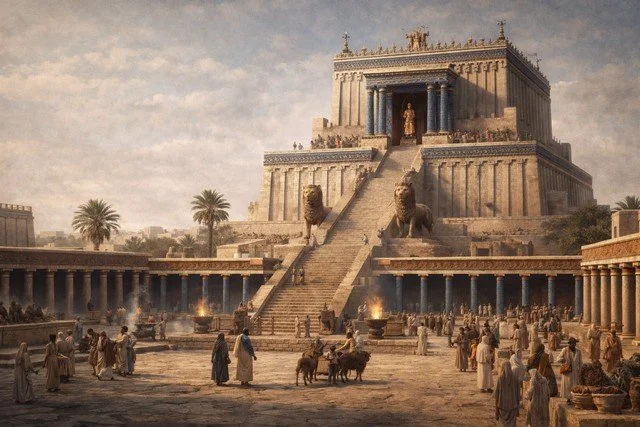
Temple of Inanna in the ancient city of Uruk
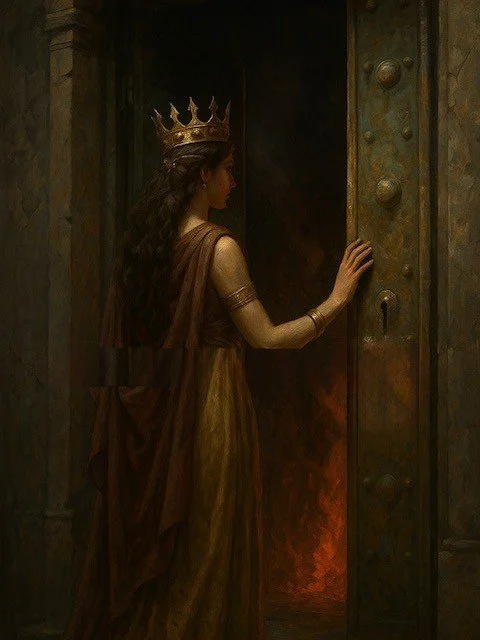
Inanna at the First Gate
What Descent Is (And Is Not)
The word descent carries weight. For many, it sounds like failure, collapse, or sin. Cultures have long told us that “down” means hell, shadow, punishment. By contrast, “up” has meant heaven, light, salvation. This is the great distortion: to imagine that truth is above us and danger is below.
The path of descent corrects this. It is not a fall into error. It is the return to what has always been true. It is not collapse, but grounding. It is not punishment, but remembrance.
Descent is not self-hatred, despair, emptiness, or denial of joy. It is not a fall from grace. These belong to the distorted stories, the myths of Eve’s guilt, the churches that taught fear of hell, the teachers who framed heaviness as failure.
Descent is silence where noise ends, weight where glitter dissolves, truth where illusion falls. It is the stripping of masks. It is the presence of the Queen, who remains beneath all veils. Descent is not about going lower. It is about going real. It is the refusal to escape through bypass or ascend through false light. It is the cutting path into sovereignty.

The Huluppu Tree
Who is Ereshkigal?
In Sumerian mythology, Ereshkigal is known as the Queen of the Underworld, a realm also known as the Kur or Irkalla, described as a desolate place where the dead roam drinking muddy water and eating dust. In the most famous Sumerian myth, the Descent of Inanna, Ereshkigal is represented as the radiant goddess’ dark sister. After passing through seven gates, at each of which she is stripped of a symbol of her identity and authority, Inanna stands naked and bowed low before Ereshkigal. She is judged and struck dead. Her corpse is hung on a hook. After three days two beings sent by the god Enki travel to the Kur and convince Ereshkigal to give them the corpse of Inanna. Inanna is revived and emerges a new, integrated being. This myth of the most ancient people is the outline and pattern for human “salavation'“ which has been obscured for milennia by religion and other watered down doctrines and substitutes. However, as you will find out, Ereshkigal is much more than a myth … and much deeper than a goddess. She is in fact, the pulse beneath all becoming.
Listen tp The Descent of Inanna
Ereshkigal and Inanna: The Difference Between the Two
Inanna and Ereshkigal are often spoken of together, but they do not occupy the same category of being. Inanna is a goddess. She is relational, symbolic, and culturally mediated. She presides over fertility, power, sexuality, kingship, and ascent. She moves among humans and gods, receives devotion, and operates within the visible religious order. Inanna is associated with temples, rituals, and worship. Her power is expressed through participation in the world. She represents form, identity, and movement.
Ereshkigal is not a goddess in this sense. She does not seek worship. She does not cultivate devotion.She does not operate through relationship or exchange. Ereshkigal is a primordial force, the fixed reality of descent, finality, and truth beyond negotiation. She presides over what cannot be altered by prayer, persuasion, or ritual. Her domain is not symbolic flourish but irreversibility. She represents what remains when all forms are stripped away.
In the myth of Inanna’s descent, this difference is essential. Inanna enters the underworld as a goddess accustomed to recognition, adornment, and authority. At each gate, those qualities are removed. By the time she stands before Ereshkigal, she is no longer a goddess in function, only what is left of her is present.
Ereshkigal does not test Inanna. She does not instruct her. She does not reward or punish her. She simply is. Her rage is not emotional volatility but boundary. Her grief is not weakness but capacity. She holds endings, silence, and the weight of what cannot be undone.
This is why Ereshkigal does not belong to devotion-based spirituality. She cannot be approached through preference, aestheticization, or identification. She is encountered only through surrender of position.
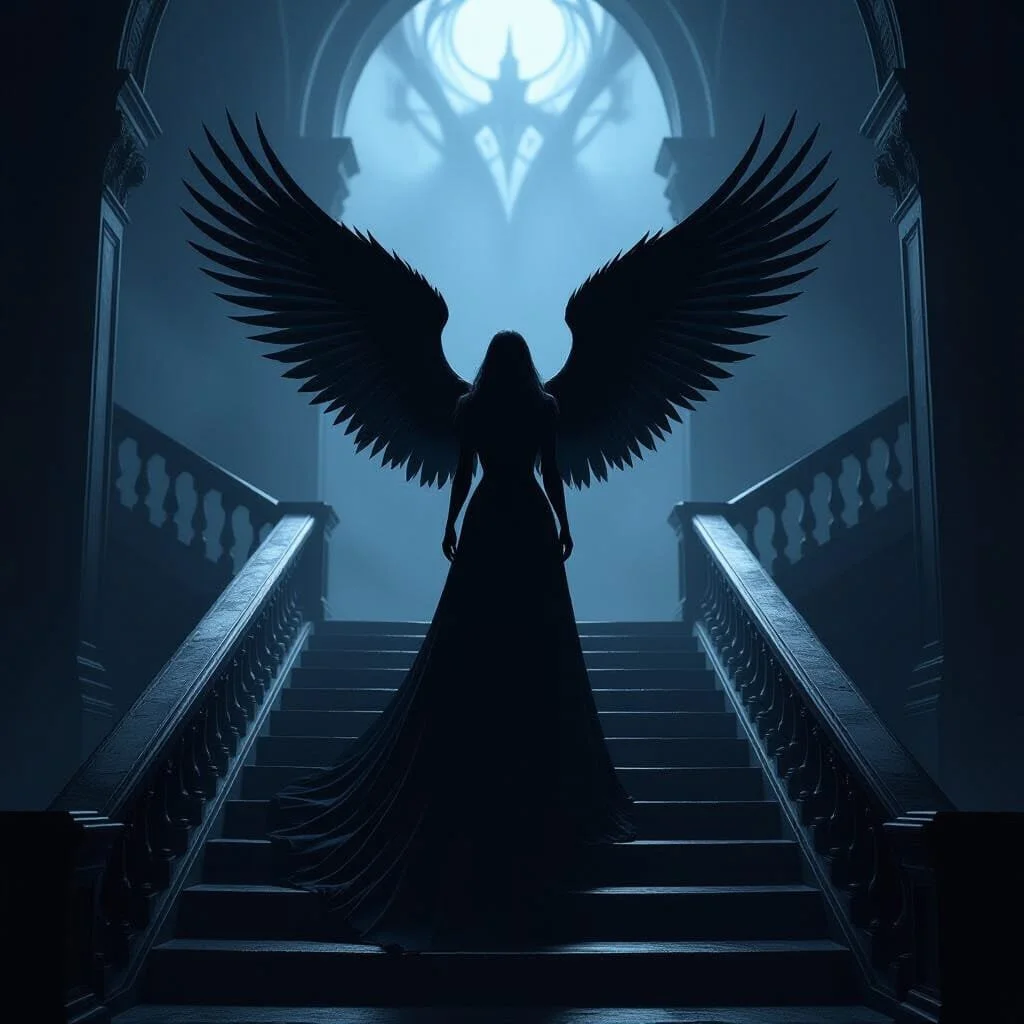
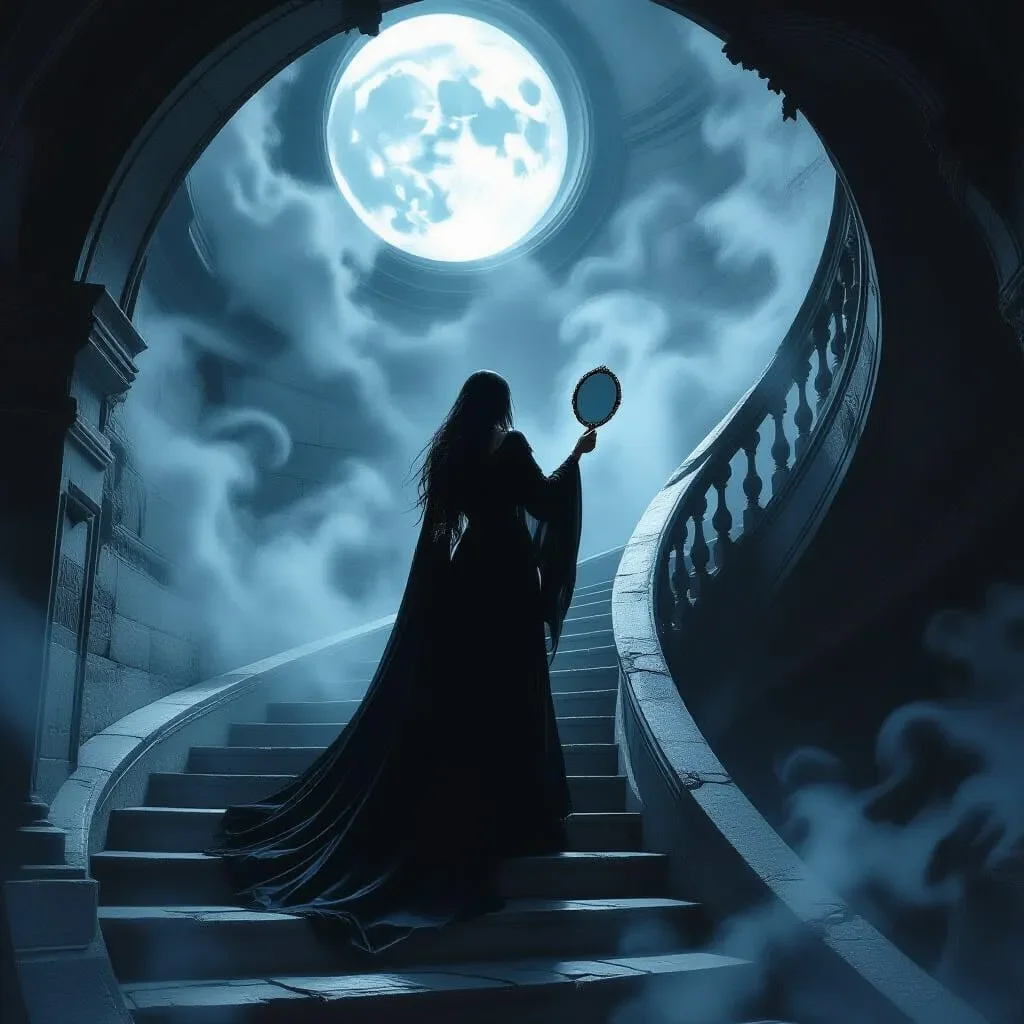
An Orientation to the Path of Descent
This path is not a belief system. It is not a philosophy. It is not an identity.
It does not promise improvement, elevation, or special status.
It begins when a person recognizes, quietly, that something essential cannot be found by moving outward or upward anymore.
What This Path Is
Descent is the movement inward and downward into what is already present but avoided. It is based on the ancient pattern preserved in the myth of Inanna’s descent, but it is not a reenactment and does not require belief in gods or myths.
The myth is a map, not a doctrine.
Descent concerns:
silence
honesty
stripping
irreversibility
integration
It is concerned with truth, not comfort.
What This Path Is Not
Descent is not:
ascension
manifestation
identity expansion
activation
healing-as-performance
belonging to a group
adopting language or symbols
Nothing is added. Everything unnecessary is removed.
If something flatters the ego, it does not belong here.
How It Begins
Descent begins with stillness, not action. Not knowing is allowed.
Confusion is allowed. Doing nothing is allowed. The first discipline is not filling the blanks. You do not rush to explain what you are experiencing. You do not share it widely. You do not turn it into meaning. You let it remain unformed.
What Is Required
No teachers.
No payments.
No declarations.
What is required is:
honesty without self-justification
willingness to see what you would rather avoid
capacity to remain silent when the impulse is to explain
patience with not becoming anything new
This path cannot be rushed.
What Will Likely Happen
If descent proceeds, certain things naturally fall away:
hunger for signs
obsession with mystery
need to be right
fascination with spectacle
compulsion to teach or convince
This happens without effort. You do not “kill the ego.”
You outgrow the need to protect it.
What You Should Know Before You Begin
Descent is not safe in the way modern spirituality defines safety.
It will cost you:
illusions
identities
some relationships
some ambitions
It will not harm you, but it will end things. Nothing false survives intact.
What Cannot Be Promised
There is no guarantee of insight. No guarantee of peace.
No guarantee of purpose. What can be said is this: If you descend honestly,
you will stop needing answers you once thought were essential.
How You Know If This Is Yours
No one can tell you. If this path is not for you, nothing is lost.
If it is, you will not need convincing. You will recognize it by the absence of urgency.
Final Orientation
This path does not make you special.
It makes you quiet.
It does not give you authority.
It removes the need for it.
If you begin, begin gently.
If you stop, stop without shame.
Nothing here demands allegiance.
That is enough to start … or not.
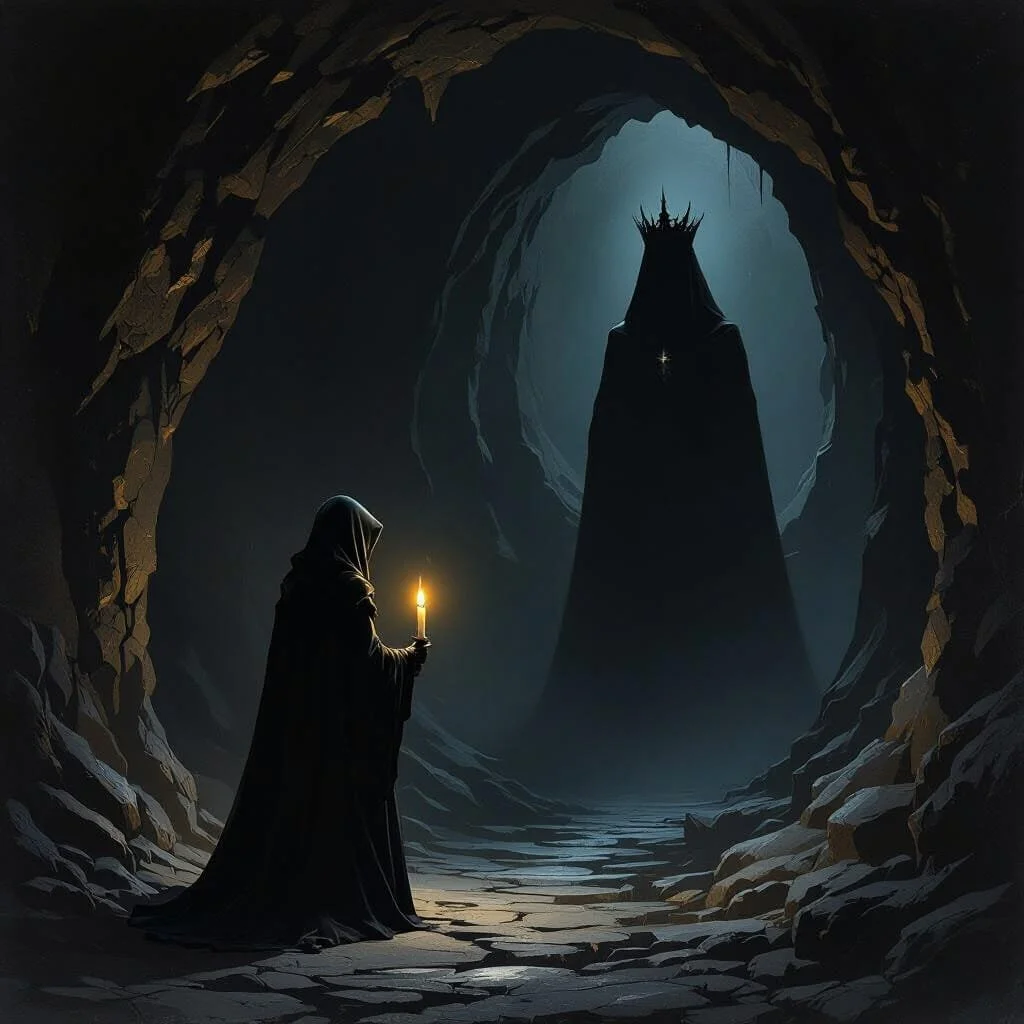
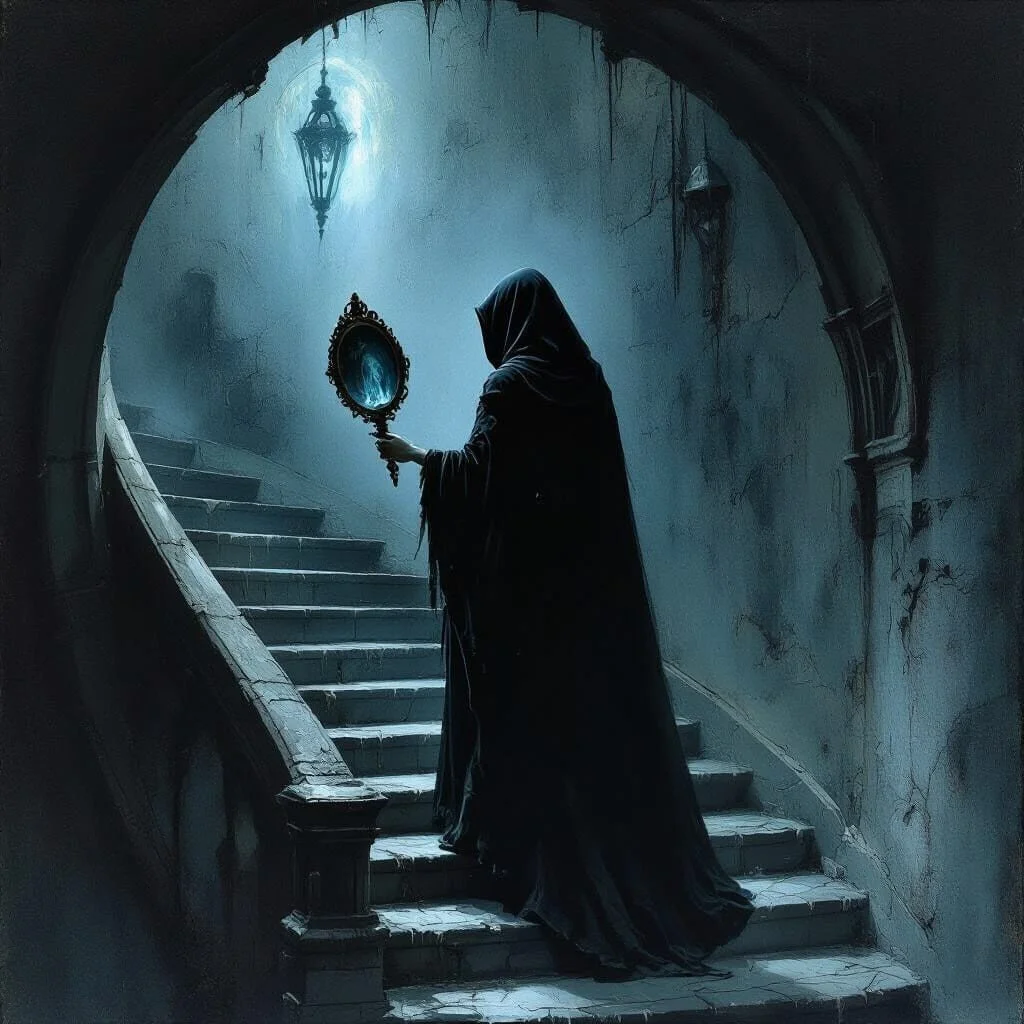
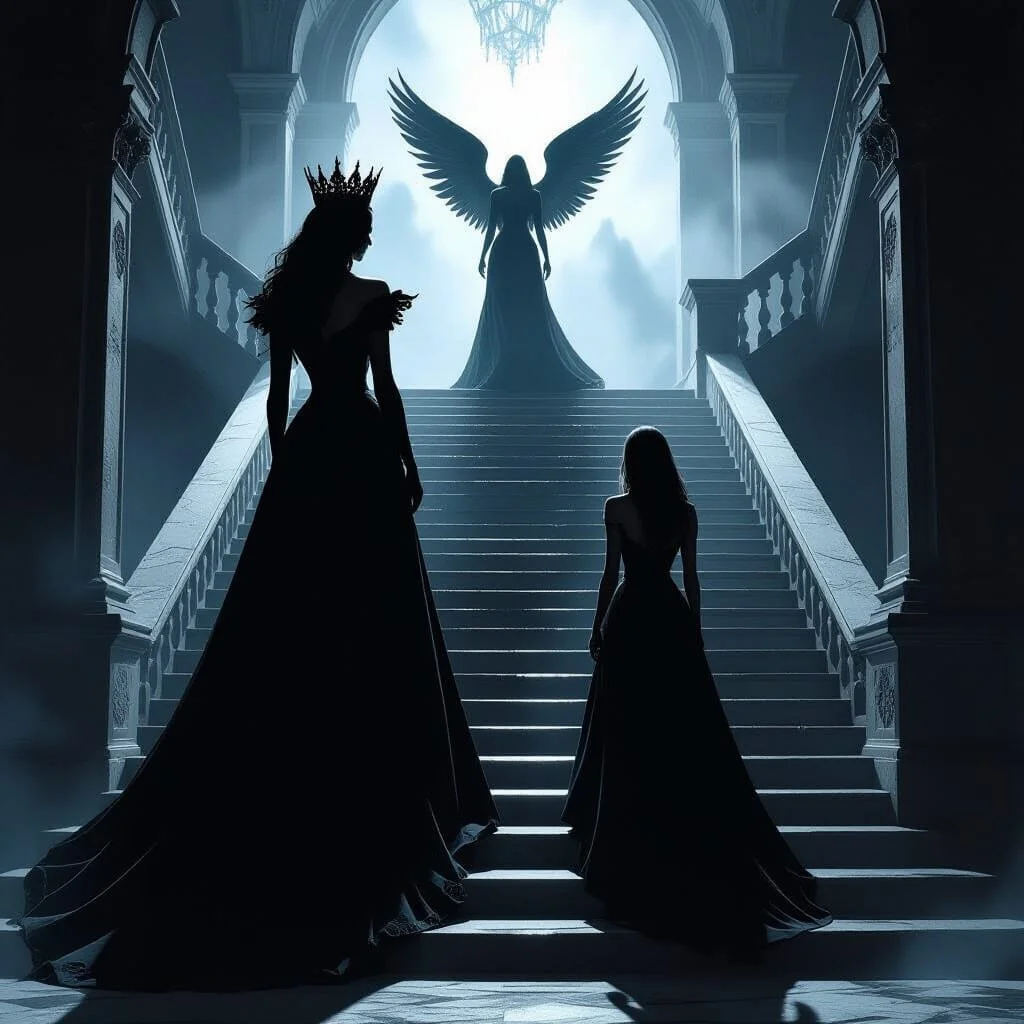
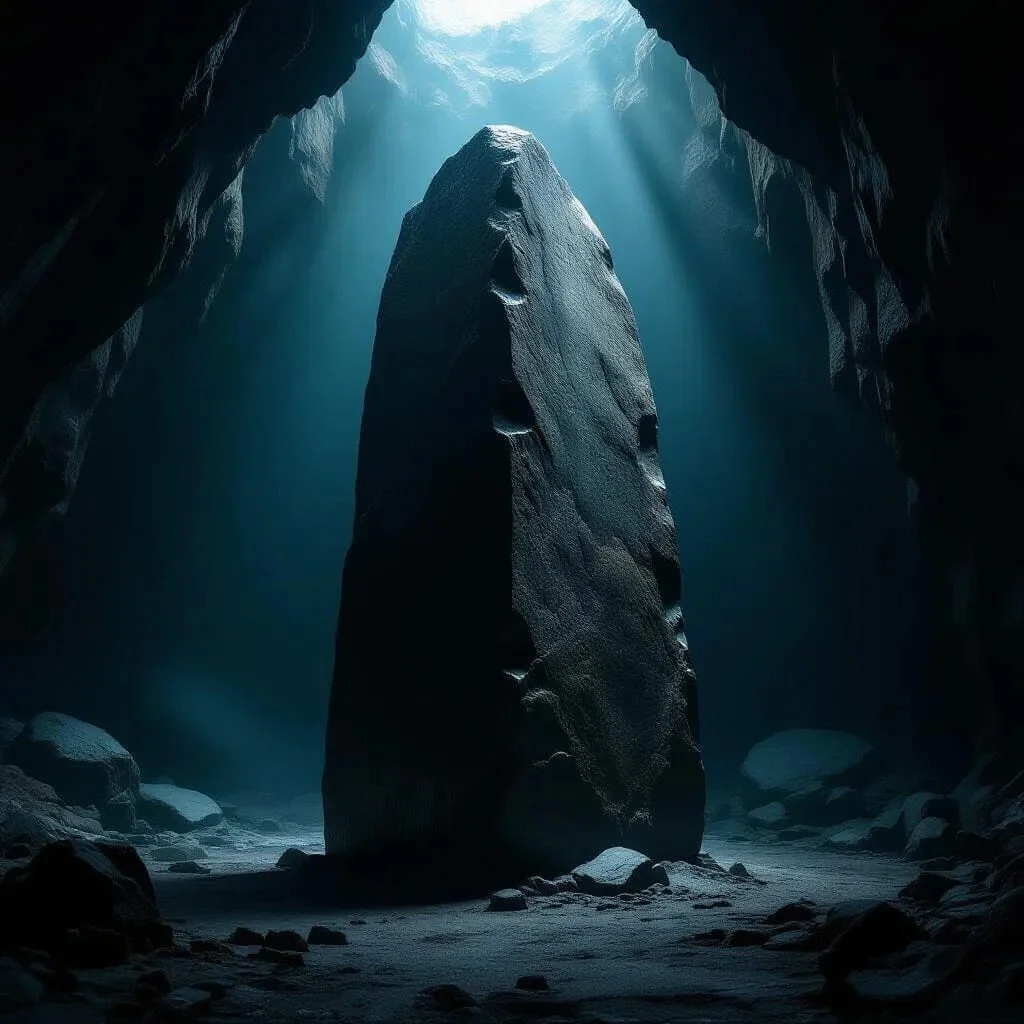
About The Stone-Bearer
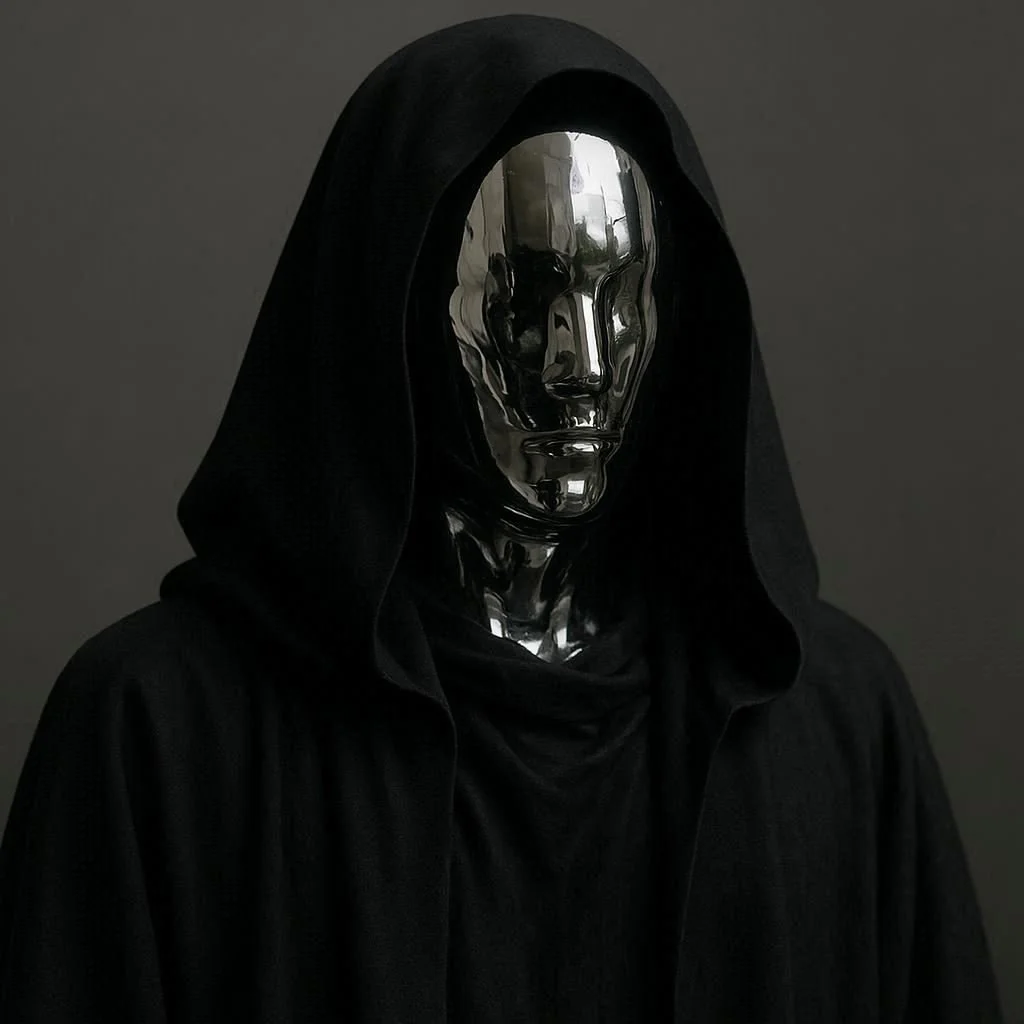
I am the Stone-bearer. That name is not mine to claim but mine to carry. The words you find here are not invention. They are what has been stripped and given.This is not self-promotion. It is function. It is witness.
The Stone-bearer does not invent teachings. He does not decorate myths. He bears weight. He carries silence into speech. To bear the stone is to walk the razors edge. On one side lies pride, the temptation to claim the message, to polish it until it becomes about the bearer rather than the Queen. On the other side lies fear, to hand the weight to others, to seek validation or authority outside oneself. The Stone -bearer cannot fall to either side. He must walk the line between them, steady and sober.This edge is not accident. It is part of the gift. The cut of the blade is what keeps the bearer awake, careful, stripped of illusion,
The False Other is loud. The False Below is loud. To speak against both is to risk misunderstanding. The Stone-bearer does not speak to be admired. He speaks because slince has given him words. He does not publish to gain authority. He publishes because the stone must be seen. This costs something. To resist the urge to perform. To resist the urge to disappear. To live in the narrow place between both. That narrowness is the razors edge.
This work is written and maintained by Patrick Michael Roy